

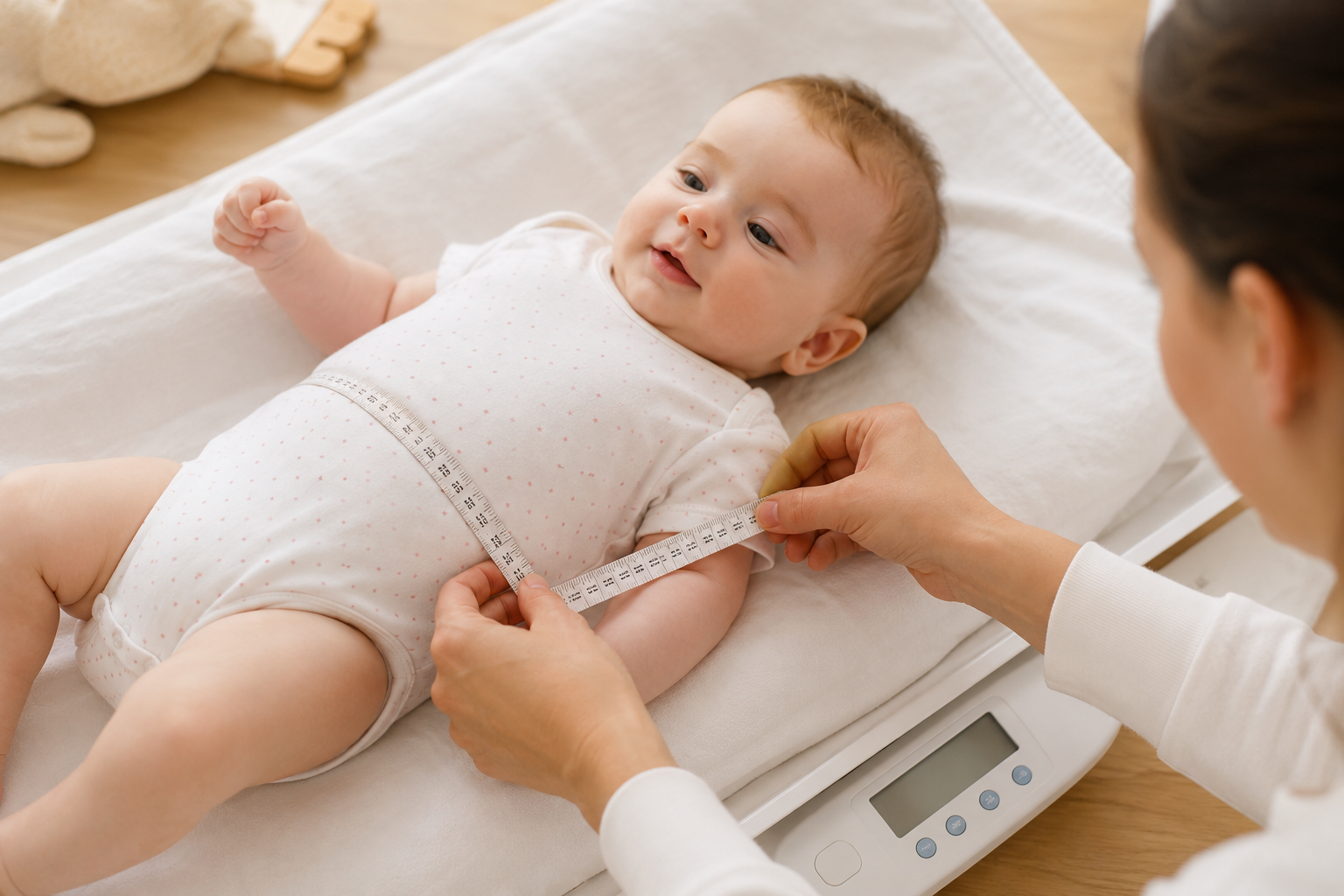
Watching your baby grow is one of the most exciting parts of being a parent. Every month brings new changes, from gaining weight and growing taller to reaching important milestones like smiling, sitting, and taking their first steps.
But with so many changes happening so quickly, it can be difficult to keep track of everything. That’s why many parents use a baby growth tracker or baby growth tracking app to monitor their child’s development and make sure they are growing as expected.
In this guide, we’ll explain how to track your baby’s growth month by month, what measurements to watch, and how growth tracking can help you stay informed about your baby’s health and development.
Why Tracking Your Baby’s Growth Matters
A baby’s first years are filled with rapid growth and development. Tracking these changes helps parents:
- Understand if their baby is growing at a healthy rate
- Monitor weight, height, and head circumference
- Keep track of developmental milestones
- Share accurate information with healthcare providers
- Identify potential growth concerns early
Every baby grows at their own pace. However, tracking growth regularly can help you see patterns and understand your baby’s progress over time.
What Should You Track?
When using a baby growth tracker, there are three main physical measurements to record:
1. Weight
Weight gain is one of the most important indicators of healthy growth, especially during the first year.
Most babies:
- Lose a little weight after birth
- Regain their birth weight within two weeks
- Double their birth weight by around 5 months
- Triple their birth weight by their first birthday
Regular weight tracking helps parents ensure their baby is getting enough nutrition.
2. Height or Length
Doctors usually measure a baby’s length while they are lying down during the first two years.
Tracking height helps parents:
- Monitor physical development
- Compare growth with standard baby growth charts
- Spot changes in growth patterns
3. Head Circumference
Head circumference measures the size of your baby’s head and helps monitor brain development.
This measurement is especially important during the first year when brain growth happens quickly.
Understanding Baby Growth Charts
A baby growth chart is a tool used by doctors and parents to compare a baby’s measurements with children of the same age and gender.
Growth charts show percentiles. For example:
- 50th percentile means average growth
- 75th percentile means larger than most babies of the same age
- 25th percentile means smaller than most babies of the same age
Being in a lower or higher percentile does not automatically mean something is wrong. What matters most is that your baby follows a steady growth pattern over time.
Month-by-Month Baby Growth Tracking Guide
Let’s look at what parents should focus on during each stage of the first year.
Month 1: Getting Started
During the first month:
- Record birth weight, length, and head circumference
- Track feeding schedules
- Monitor sleep patterns
- Watch for early responses to sounds and faces
This is the perfect time to start using a baby growth tracking app so you can store all your records in one place.
Month 2: Early Development
At two months, many babies:
- Gain weight steadily
- Begin smiling socially
- Follow objects with their eyes
- Become more alert
Continue tracking monthly measurements and note any new behaviors.
Month 3: Increased Awareness
Your baby may:
- Lift their head more confidently
- Respond to familiar voices
- Show more facial expressions
Recording milestones alongside physical growth gives a complete picture of development.
Month 4: Growing Stronger
At four months, many babies:
- Roll from tummy to back
- Hold toys briefly
- Laugh and make sounds
Weight gain remains important during this stage. Use your baby growth tracker to compare progress month to month.
Month 5: Reaching New Milestones
By five months:
- Many babies double their birth weight
- Hand-eye coordination improves
- Babies become more active
Growth tracking helps parents understand how increased activity affects development.
Month 6: Half-Year Checkpoint
Six months is a major milestone.
Many babies:
- Sit with support
- Begin eating solid foods
- Show stronger muscle control
This is a good time to review your baby’s growth chart and compare current measurements with previous months.
Month 7: Exploring the World
At seven months:
- Babies become more curious
- Many begin crawling movements
- Social interaction increases
Tracking both physical growth and baby milestones helps parents understand overall development.
Month 8: More Movement
Your baby may:
- Crawl independently
- Pull themselves up
- Explore their surroundings
As activity levels increase, growth rates may begin to change slightly.
Month 9: Developing Independence
By nine months:
- Babies often sit without support
- Understand familiar words
- Show stronger emotional responses
Continue recording height, weight, and developmental progress.
Month 10: Building Skills
At ten months:
- Standing becomes more common
- Fine motor skills improve
- Babies learn through exploration
Regular updates in a baby growth tracking app make it easier to see progress over time.
Month 11: Preparing for First Steps
Many babies:
- Cruise along furniture
- Respond to simple instructions
- Develop stronger communication skills
Growth measurements remain important as physical development accelerates.
Month 12: First Birthday
The first birthday is an exciting milestone.
By one year, many babies:
- Triple their birth weight
- Take their first steps
- Say simple words
- Show unique personalities
Reviewing a full year of growth records can give parents valuable insights into their baby’s journey.
Tips for Accurate Growth Tracking
Measure Consistently
Try to measure your baby under similar conditions each time.
For example:
- Use the same scale
- Measure at the same time of day
- Record information immediately
Keep Everything Organized
Many parents struggle with scattered notes, photos, and records.
A baby growth tracking app helps store:
- Weight records
- Height measurements
- Growth charts
- Milestones
- Vaccination reminders
Everything stays organized and easy to access.
Don’t Compare Too Much
Every baby develops differently.
Some babies walk earlier.
Some talk later.
Some gain weight faster.
Focus on your baby’s unique growth pattern instead of comparing them to others.
Track More Than Just Size
Growth isn’t only about height and weight.
Also monitor:
- Sleep habits
- Feeding schedules
- Physical skills
- Social interactions
- Language development
These details provide a more complete view of your baby’s health.
When Should Parents Be Concerned?
Small changes in growth are normal.
However, you should speak with your healthcare provider if:
- Weight gain stops for an extended period
- Growth suddenly slows down
- Your baby misses several developmental milestones
- Feeding difficulties continue
Early conversations with healthcare professionals can provide reassurance and guidance when needed.
How a Baby Growth Tracking App Can Help
Modern parents are increasingly choosing digital tools to monitor their baby’s development.
A baby growth tracking app can help you:
- Record monthly measurements
- View baby growth charts instantly
- Track milestones
- Store important health records
- Set vaccination reminders
- Monitor growth trends over time
Instead of relying on paper notes, parents can keep all growth information in one secure place.
Final Thoughts
Tracking your baby’s growth month by month is one of the best ways to stay informed about their health and development. By monitoring weight, height, head circumference, and important baby milestones, you can better understand your child’s progress throughout the first year.
Remember that every baby grows differently. The goal isn’t to compare your child to others but to follow their unique growth journey.
Using a baby growth tracker can make the process easier, more organized, and less stressful. With consistent tracking and regular checkups, you’ll have the information you need to support your baby’s healthy development every step of the way.

Leave a Reply